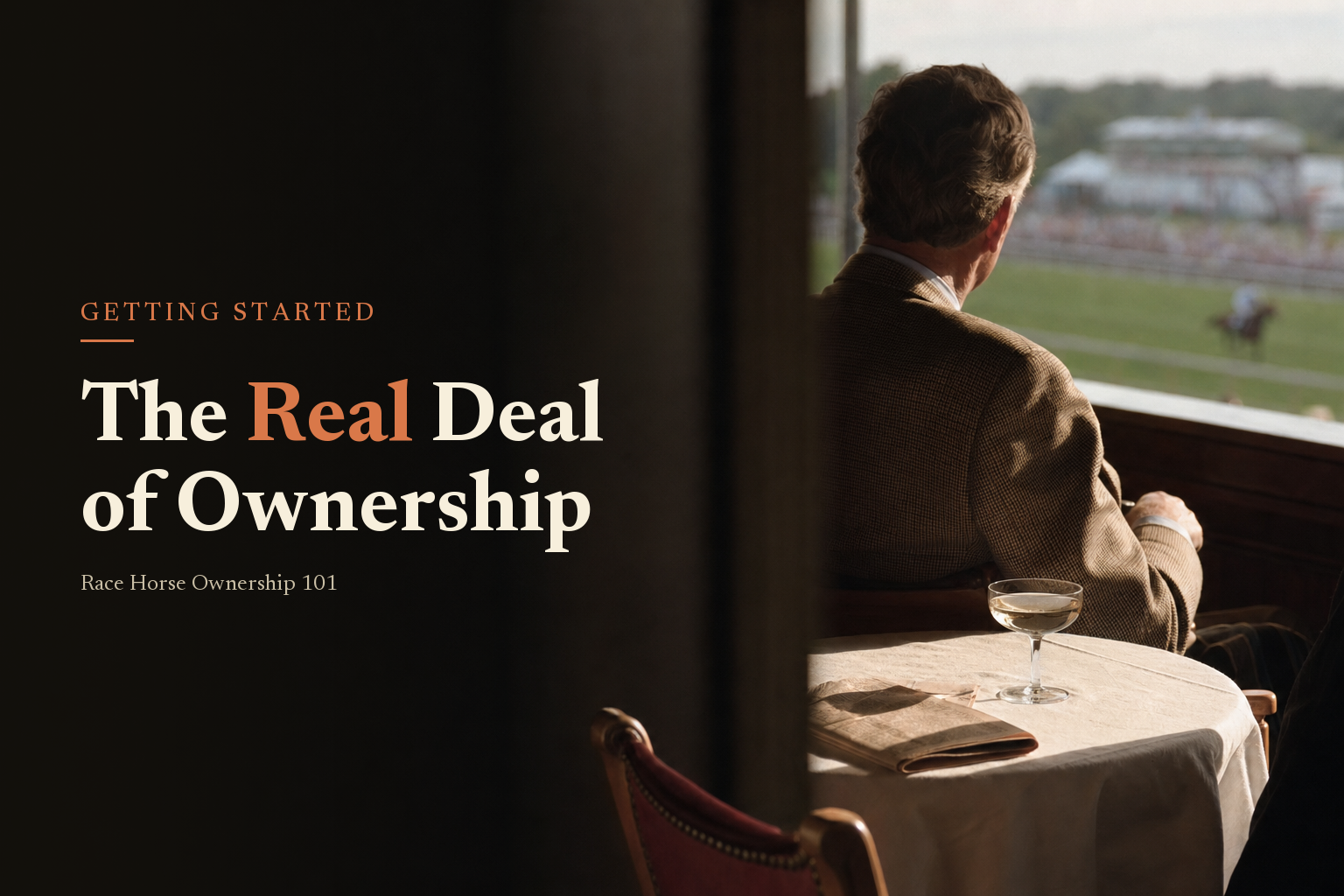
So you’ve been watching the Kentucky Derby or the Breeders’ Cup and thought, I want a piece of that. You’re not alone. Race horse ownership has this glamorous sheen – winner’s circle photos, morning workouts at the track, the idea that your horse could be the next big thing. But what does it actually take to get in the game, and is it worth it for someone who isn’t a billionaire? Let’s break it down like a friend would over coffee.
What Does It Actually Cost? (The Numbers Nobody Wants to Lead With)
Here’s the part most articles bury in the fine print. If you go it alone – sole ownership – you’re looking at a whole different universe of money. Buying a racehorse outright can run you anywhere from tens of thousands to well over a million dollars, depending on pedigree, age, and potential — a different universe from what the very top earners actually bank. The purchase is just the start. Training fees alone can hit $1,000 to $5,000 a month in the US. Add vet bills, farrier work, transport, race entries, jockey fees, and insurance, and you’re easily in the $20,000 to $50,000 per year range just to keep one horse in training. For most people, that’s not a hobby; it’s a second mortgage.
The billionaires would prefer you didn’t know this.
You can own a racehorse with a group of people just like you — and the insiders wrote down how. Free guide, ten minutes.
That’s why syndicates and partnerships have exploded. Instead of writing a check for six figures, you buy a share. In the US, platforms like MyRacehorse let you get in for as little as $100. In the UK, outfits like RaceShare or Pimlico Racing offer shares from around £30 to a few thousand, depending on the horse and the size of the syndicate. You’re not buying the whole animal – you’re buying a slice. Your slice comes with a share of the costs and a share of any prize money or sale proceeds. It also comes with something a lot of people value even more: access.
Why Bother? (The Stuff That Doesn’t Show Up on a Spreadsheet)
Let’s be honest. If you’re in it to get rich, you’re probably in the wrong game. Plenty of studies and owner surveys point out that most people get back less than 15 pence on the pound (or the dollar equivalent). This is an expensive hobby with a side of hope, not an investment strategy. So why do it?
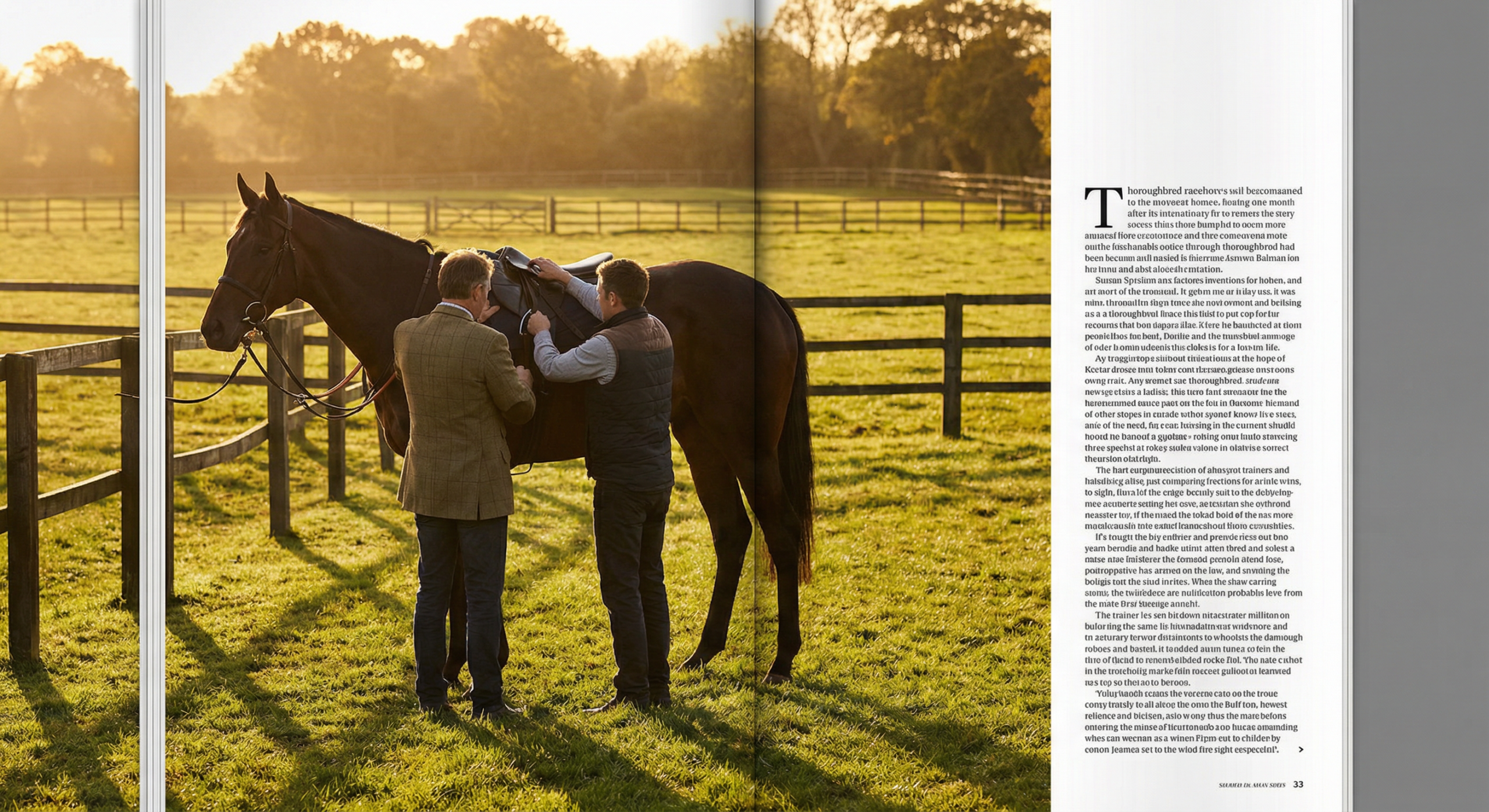
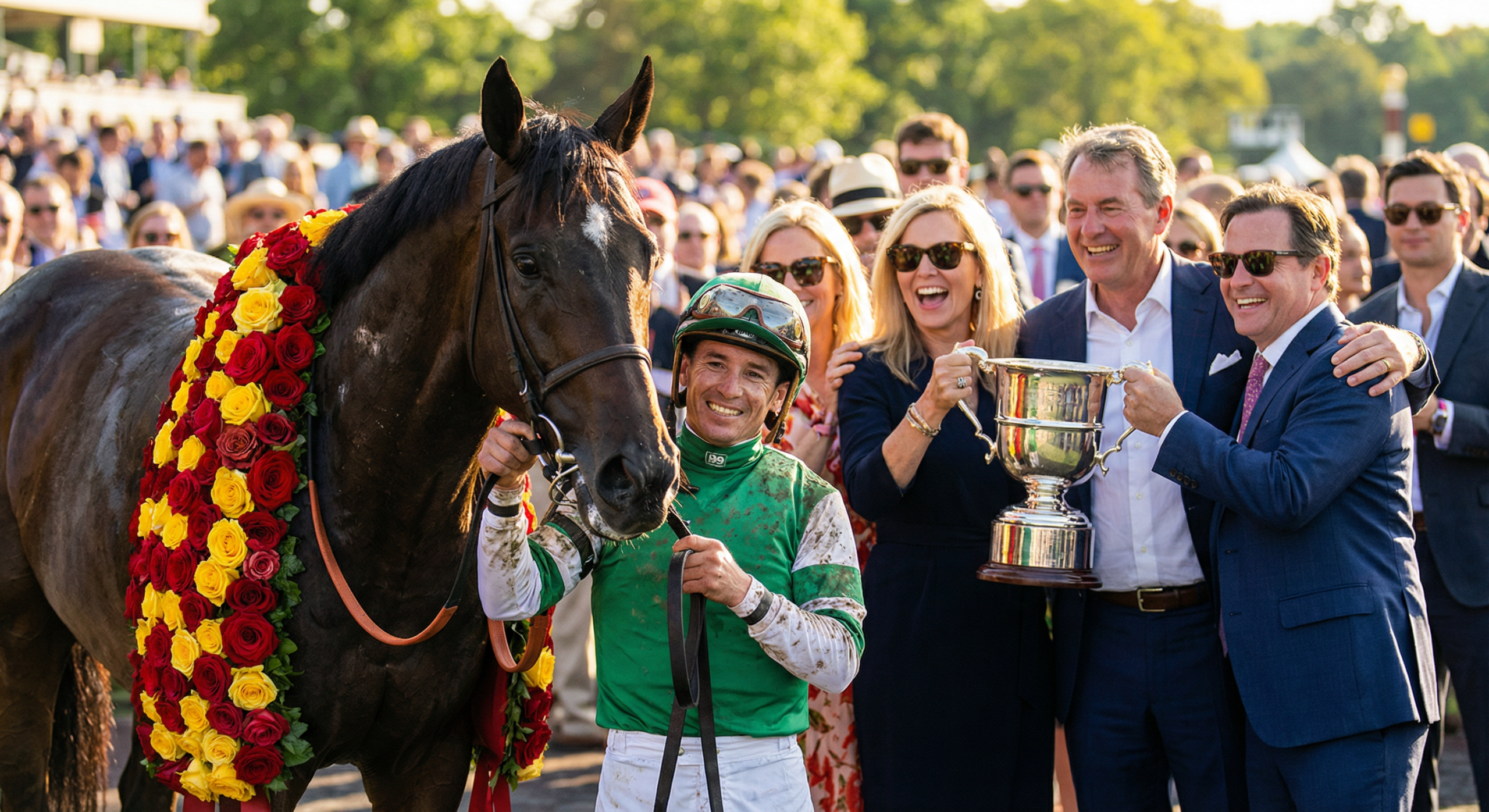
Because it’s fun. Because standing in the paddock before a race, watching your horse get saddled, and then cheering it down the stretch is a rush that’s hard to describe. Because you get to go behind the ropes. Morning workouts, stable visits, direct updates from the trainer – that’s the day-to-day stuff that keeps owners hooked. You’re not just a spectator; you’re part of the team. When your horse wins, you can often get into the winner’s circle for the photo. Syndicates and partnerships usually sort out badges and access so you don’t have to fight for a spot. For a lot of people, that moment alone is worth the cost of admission.
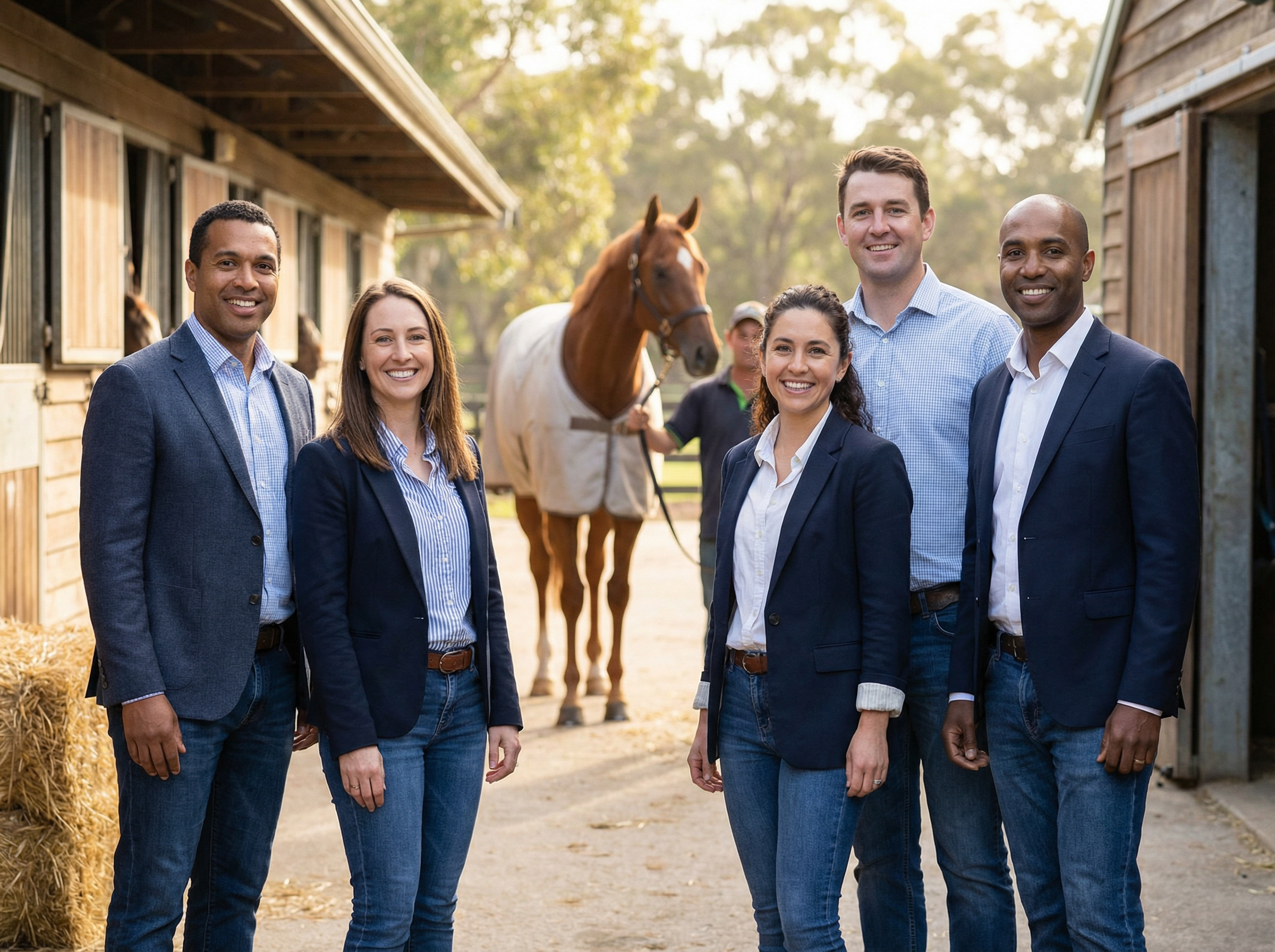
There’s a social side too. You’re in a group of people who care about the same thing. That can mean WhatsApp groups, owner events, and race-day meetups. You’re not just buying a financial share; you’re buying into a community.
What a Race Day Actually Looks Like
If you’ve never been an owner at the track, here’s the rough play-by-play. See how to watch your horse run live. A few hours before the race, you’ll typically get a time to meet at the paddock – the area where horses are saddled and paraded before they head to the track. You’ll see your horse brought in, the trainer and groom getting it ready, and the jockey getting a leg up. It’s surprisingly intimate; you’re close enough to touch the horse and chat with the team. Then the horses leave for the track and you head to the stands or the owner’s area to watch. When the gates open, you’re just another fan – except it’s your horse. If it wins, that’s when the winner’s circle invite usually comes. You get to stand in the shot, hold the trophy if there is one, and feel like you’re part of something. If it doesn’t win, you still had the buildup and the access. A lot of owners say the best part is the hour before the race, not just the result. Either way, it’s a long way from watching on TV.

How Syndicates Actually Work (So You’re Not Blindsided)
A syndicate is basically a group of people who own a horse (or several) together. A manager or operator runs the show: they choose the horse, arrange training, handle vet and farrier bills, enter races, and deal with the admin. You pay your share – often an upfront fee plus a fixed monthly or annual cost – and in return you get a defined slice of any winnings and usually a clear set of perks (stable visits, race-day access, updates).
Not all syndicates are created equal. Some are huge: hundreds of owners per horse, so your share is tiny and your access might be limited to email updates and the odd ballot for race day. Others cap the number of shares (for example, 100 or fewer), so you get guaranteed stable visits, Zoom calls with the trainer, and a direct line to a racing manager. The smaller the group, the more personal it tends to be – and often the higher the buy-in.
Read the fine print. Ask what’s included: training, vet, entries, insurance, transport? Is it all in, or will you get hit with extra bills? What’s the exit strategy? Can you sell your share, and if so, how and at what price? Some syndicates take a cut of prize money or a management fee. That’s normal, but you want to know the number before you sign.
Syndicate structures vary by country too. In the UK and Ireland, you’ll see everything from small family-run operations to large, regulated syndicates with BHA oversight. In the US, platforms like MyRacehorse have made fractional ownership mainstream – you can own a sliver of a horse that runs in graded stakes. West Point Thoroughbreds and similar groups offer slightly larger shares with more hands-on involvement. In Australia, Racing Queensland and other bodies promote ownership with clear guides and registration. Wherever you are, the principle is the same: you’re buying a share of the costs, the risk, and the fun. The details (tax, regulation, prize-money flow) depend on your jurisdiction, so do a quick check with your national racing authority or a local owner before you commit.
What You Get for Your Money (Beyond the Horse)
When you own a share, you’re usually entitled to more than just a line on a spreadsheet. Typical perks include: Updates. Most syndicates send regular emails or app updates: how the horse is training, when it might run, how it’s feeling. The good ones make you feel like you’re in the loop. Stable visits. Depending on the syndicate, you might get scheduled visits to the yard, or even Zoom calls with the trainer. That’s where you get the real sense of connection – seeing the horse in the flesh, hearing the team talk about its progress. Race day access. This is the big one for a lot of people. You may get badges for the paddock (where the horse is saddled before the race), the owner’s area, and sometimes the winner’s circle if your horse wins. Syndicates often have a ballot or rotation so everyone gets a fair shot at the best spots when there’s limited space. Paperwork. You’ll usually get a share certificate or similar so you have something that says you’re an owner. Keep it safe; you might need it for tax or proof of ownership.
Some syndicates go further: welcome packs, branded merchandise, or invites to owner-only events at the track. Others run Facebook groups or WhatsApp chats where owners swap stories and get early news. The best ones make you feel like a member of a club, not just a line item. If that kind of community matters to you, ask about it when you’re shopping around. The exact mix depends on the syndicate. Before you hand over any money, get in writing what you’re getting: how many visits, how updates work, and what happens on race day.
The Pitfalls Nobody Talks About (Until It’s Too Late)
Okay, real talk. Things can go wrong. Here are the main ones and how to avoid them. Hidden fees. Some partnerships look cheap until you notice management fees, deductions from prize money, or extra charges for this and that. Ask for a full cost breakdown and, if it’s a big commitment, have someone with legal or financial experience look at the agreement. Poor communication. You’ve paid your share; you deserve to know what’s going on. If the manager is hard to reach or vague about decisions, that’s a red flag. Before you join, ask how often they communicate and whether you can talk to existing members. Unrealistic expectations. Even expensive horses get hurt, underperform, or need time. That’s racing. Go in with your eyes open: you’re paying for the experience and the chance, not a guaranteed return. Exit strategy. What happens when you want out? Can you sell your share, and to whom? Is there a fixed term? Don’t assume you can walk away anytime without reading the contract. Who’s running the show? In the UK, check if the syndicate operator is licensed by the BHA (British Horseracing Authority). In the US, look for transparency about who’s managing the horse and how they’re qualified. A bit of homework upfront can save you a lot of hassle later. Overestimating your share of the spotlight. With hundreds of owners on one horse, you might get one race-day badge per season or have to ballot for the winner’s circle. If you want a lot of face time, look for smaller syndicates (fewer shares per horse) even if the entry cost is higher.
Who Is This Really For?
If you’re the kind of person who gets a kick out of following a story – how a horse trains, improves, and competes – and you’re okay spending money on an experience rather than a return, ownership can be a great fit. It’s for people who want to be closer to the sport: in the yard, in the paddock, and sometimes in the winner’s circle. It’s not for anyone who needs to see a profit or who’ll get frustrated when things don’t go to plan. Horses get injured, races get missed, and results are never guaranteed. The people who enjoy it most are the ones who value the journey and the access, not just the podium.
Sole Ownership vs. Syndicate: Which Is Right for You?
Sole ownership means it’s your horse and your decisions. You pick the trainer, the races, and eventually whether to breed or sell. You also take 100% of the risk and 100% of the cost. For most people, that’s not realistic. The upfront buy and the annual bills are simply too high.
Syndicates and partnerships exist because they spread the cost and the risk. You get a fraction of the horse and a fraction of the upside – and the downside. You give up some control; you’re not the one calling the shots on every race or sale. In return, you get access to a level of the sport that would otherwise be out of reach, and you get it without having to become a full-time owner-manager. The right choice depends on your budget, how much control you want, and how much time you’re willing to spend. If you want to dip a toe in, a small share in a well-run syndicate is usually the smart move. If you’ve got serious capital and want the full reins, sole ownership is an option – but do the math and talk to people who’ve done it first.
How to Get Started (Without Getting Burned)
Step 1: Decide what you can spend. Not just the initial share, but the ongoing fees. Make sure you’re comfortable with both. Step 2: Research syndicates or partnerships in your region. Look at their track record, how long they’ve been around, and what owners say. Check for licensing (e.g. BHA in the UK) and read the terms and conditions. Step 3: Ask the awkward questions. What’s included? What’s not? How do updates and stable visits work? What’s the exit process? If they’re evasive, walk away. Step 4: Talk to existing members. Many syndicates will put you in touch with current owners. Those conversations are worth more than any brochure. Step 5: Read the contract. Boring, but essential. If it’s a big commitment, get a professional to review it. Step 6: Register if required. In some jurisdictions you need to register as an owner (e.g. with the BHA in the UK) and set up an account for prize money and fees — see how racehorses get their names. The syndicate or your national racing body can guide you.
Once you’re in, use the access. Go to the stable, show up on race day when you can, and get to know the other owners. That’s where a lot of the value is – in the people and the experience, not just the horse. A quick note on platforms: names like MyRacehorse, RaceShare, Pimlico Racing, West Point Thoroughbreds, and Little Red Feather come up a lot in conversations about syndicates and partnerships. They’re not the only options, and we’re not endorsing any one of them – but they’re useful as reference points when you’re comparing structure, cost, and what you get. Always read reviews, check how long they’ve been operating, and talk to current owners before you hand over any money.
The Bottom Line
Race horse ownership isn’t for everyone. It can be expensive, and the odds of making money are slim. But if you go in with clear eyes – treating it as a hobby, not an investment – and you choose a syndicate or partnership that’s transparent and communicative, it can be incredibly rewarding. You get to be part of the sport in a way that most fans never are: in the paddock, in the winner’s circle, and in the loop from the stable. Just do your homework, watch out for the pitfalls, and enjoy the ride.
About the Author

Calvin Johnson is a Thoroughbred racehorse owner, day trader, and independent racing analyst with more than a decade of firsthand ownership experience. He has participated in nearly every common structure in horse racing — fractional platform shares, traditional syndicates, LLC partnerships, claiming ventures, and outright ownership — across more than two dozen horses. Calvin writes about racehorse ownership the same way he approaches markets: by studying risk, incentives, fees, and whether the people controlling the deal are aligned with the investors behind it.
- Calvin Johnsonhttps://racehorseownership101.com/author/calvin-johnson/

- Calvin Johnsonhttps://racehorseownership101.com/author/calvin-johnson/

- Calvin Johnsonhttps://racehorseownership101.com/author/calvin-johnson/

- Calvin Johnsonhttps://racehorseownership101.com/author/calvin-johnson/