Most people who search “how to buy a racehorse” get their answer from someone who wants to sell them the horse. The top of the page is an operator’s homepage; the forums are anecdotes; the sales farms have a guide that ends, reliably, at their own contact form. None of that is dishonest, exactly. It’s just incomplete in the specific way that benefits the person writing it. So here is the version with no one to sell you: the four real ways into thoroughbred ownership, what each costs you in money and control, and the unglamorous paperwork — the license, the registration, the people you hire — that every brochure skips because it doesn’t close a sale.
🔑 The honest answer, up front
- There are four practical ways to buy: claim a horse out of a race, buy privately, bid at public auction, or buy a share through a partnership, syndicate, or fractional platform. Each trades money against control.
- Before any of them you need a state owner’s license (every U.S. racing jurisdiction requires one) and, for most owners, HISA registration. The brochures rarely lead with this.
- The right path depends less on your budget than on how much control you want and how much risk you can absorb. Decide that first; pick the path second.
How to buy a racehorse: the short answer
There are four practical ways to buy a racehorse: claim one out of a race, buy one privately, bid at public auction, or buy a share through a partnership, syndicate, or fractional platform — see colt vs filly in a partnership. Before any of them, you need two things the brochures tend to skip — a state owner’s license (every U.S. racing jurisdiction requires one) and, for most owners, registration with the Horseracing Integrity and Safety Authority. A claiming horse typically runs $10,000–$50,000 and is the fastest route to actually owning a runner; private sales and auctions span from a few thousand dollars to seven figures; a fractional share can start in the low hundreds. The right path depends less on your budget than on how much control you want and how much risk you can absorb. Decide how involved you want to be, pick the path that matches, line up a trainer — and, for sales, a bloodstock agent — and verify everything in writing before money moves.
The billionaires would prefer you didn’t know this.
You can own a racehorse with a group of people just like you — and the insiders wrote down how. Free guide, ten minutes.
Before you buy anything: license, registration, and your team
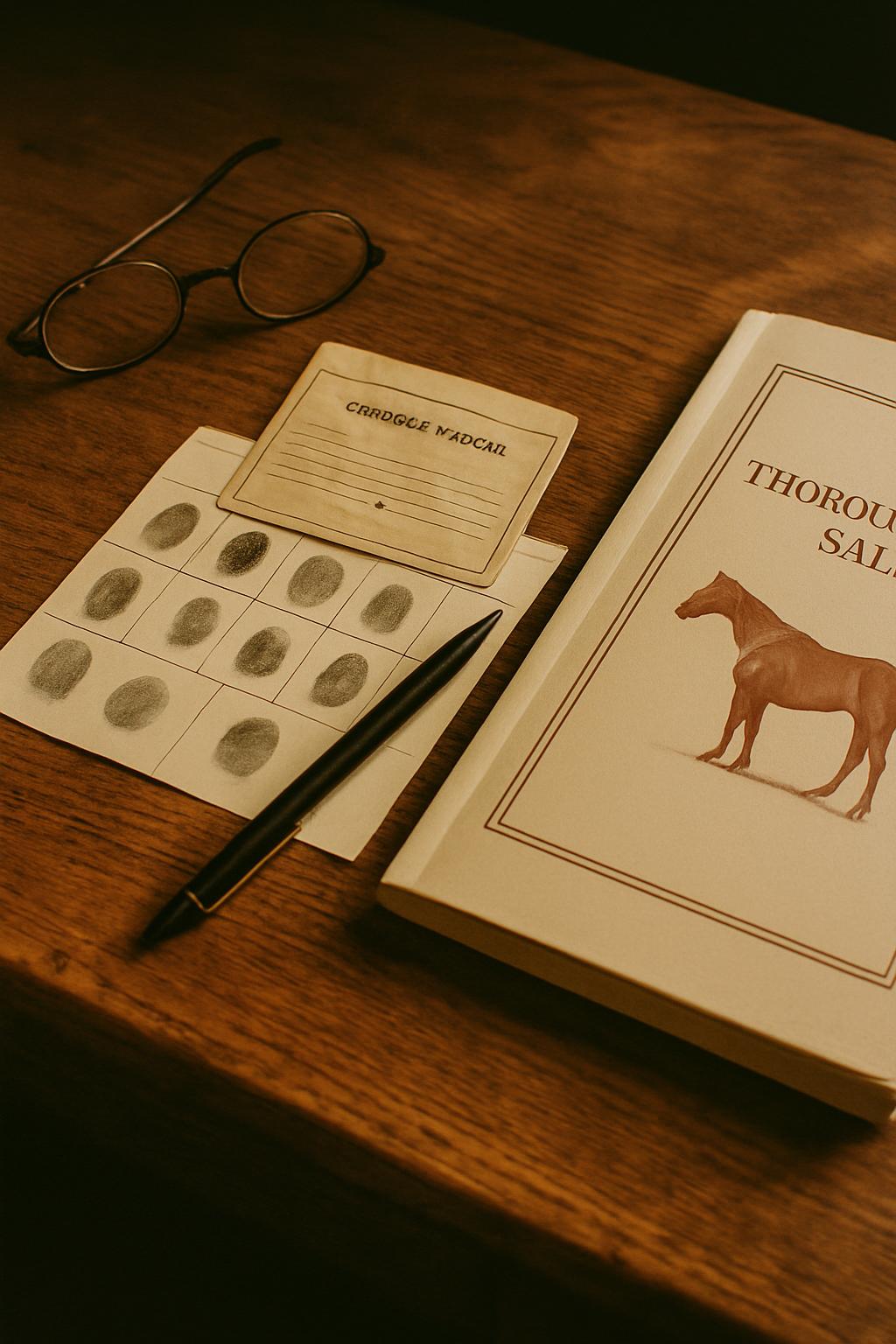
The romantic version of buying a racehorse starts at the sale. The real version starts at a desk, with forms. You cannot run a horse in your name until a racing commission has licensed you as an owner, and you generally can’t get the horse to its first workout without registering it under the federal integrity rules — including how racehorses get their names. This is the part that separates people who own racehorses from people who talk about it.
What an owner’s license actually requires
Every U.S. racing jurisdiction requires an owner’s license, and the broad shape is the same everywhere: an application, a fee, often a set of fingerprints, and — in most states — annual renewal. You apply to the racing commission of the state where you intend to run. The Thoroughbred OwnerView state-licensing directory lists the commission for each state, and if you plan to race in more than one, the National Racing Compact lets you file much of it once rather than fifty times.
The national rule is the spine; the details are state-by-state, so here’s one worked example from a single circuit to make it concrete. In New York — Calvin’s home circuit — the New York State Gaming Commission requires that for a horse with 35 or fewer owners, every owner be licensed. First-time applicants submit both state and federal fingerprints with an $87 processing fee and receive a one-year license to start. Other states set their own fees and terms (Delaware, for instance, runs $50 for one year or $150 for three). The lesson isn’t the New York number; it’s that you check your own state’s commission before you fall in love with a horse, not after.
HISA registration, in plain terms
Since the federal integrity framework took effect, owners count as “covered persons,” and the practical rule is simple: if your state requires you to be licensed, you also register with HISA, and one owner is named the horse’s Designated Owner. The horse itself must be registered with HISA by the date of its first timed, reported workout — so this happens early, not at the races.
📌 The small-stake exemption worth knowing. Owners with less than a 5% interest in a covered horse are generally exempt from HISA registration (unless they take on a Responsible Person role). That’s why a micro-share buyer usually never touches the HISA portal — the platform handles it — while a sole owner or meaningful partner registers personally. It’s a real difference between the paths, and one Path 4’s marketing rarely spells out. Source: HISA and The Jockey Club owner guidance.
The team you’ll need
- Trainer. The single most important hire. The trainer decides where the horse is stabled, how it’s conditioned, when and where it runs, and who rides. Pick the trainer before the horse if you can — a good one will help you buy.
- Bloodstock agent. A professional buyer who evaluates conformation and pedigree, reads a sales catalog the way you can’t yet, and bids on your behalf. Essential at auction; useful privately. Understand how they’re paid before you engage one (more on that below).
- Veterinarian. Your own vet, not just the seller’s, for a pre-purchase exam on any horse that matters — including checking for a proud cut gelding. The cost of the exam is trivial against the cost of buying a problem.
The four ways to buy a racehorse, compared
| Path | Typical entry | Control & influence | Exit / liquidity | Best for | Key risk |
|---|---|---|---|---|---|
| Claiming | $10,000–$50,000 (the claim price) | Full — it’s your horse the moment the gate opens | Run it back to be claimed, sell privately, or retire it | Getting a runner fast, learning by doing | You buy on paper; what you get is what you get |
| Private purchase | A few thousand to six figures+ | Full — you negotiate the deal directly | Private resale; depends entirely on the horse | Buyers who know what they want and have help finding it | No auction price signal; you set the value |
| Public auction | A few thousand to seven figures | Full — sole or lead owner of what you buy | Resell privately or at a later sale | Buying young stock with upside, with an agent | Auction fever; an unraced horse is a projection |
| Partnership / syndicate / fractional | Low hundreds to $25,000+ per share | Partial to minimal — scales down as you split smaller | Operator-dependent; often the weakest of the four | Lower cost, shared risk, no solo decision-making | Fees and exit terms buried in the prospectus |
The four paths differ less in what you end up owning than in three things: how much you pay to get in, how much say you have once you’re there, and how easily you can get out. Here’s the shape of the decision before we walk each one. We’ve kept the structures generic on purpose — the trade-offs below hold across operators, and naming brands in a comparison table tends to read as a ranking we haven’t earned the right to publish.
“The cheaper and easier a path makes it to get in, the less say you tend to have once you’re there. That trade-off is the whole decision — not the entry price.”
Notice what the table does and doesn’t say. It treats all four paths as real options with equal standing — including the fractional/syndicate route, which the rest of the industry tends to file under “starter” ownership. It isn’t a lesser path; it’s a different trade. Now the detail on each.
Path 1 — Claiming a racehorse

Claiming is the fastest way to go from “thinking about it” to actually owning a horse that runs — read how to claim a racehorse step by step. In a claiming race, every horse entered is for sale at a set price — the claim price — and any licensed owner with the money on deposit and a claim filed before the race can take the horse. You make the claim blind to the outcome: the moment the starting gate opens, the horse is yours, win, lose, or break down.
That last clause is the whole risk. You’re buying on the past performances and a paddock look, not a vet exam, and the claim is final. The horse that wins by daylight under your new silks might be one a sharper owner was happy to let go. Claiming rewards people who do the homework — or hire a trainer who has — and it punishes people who chase a name.
💡 A quick illustration. Consider a first-time owner who claims a consistent older gelding for $25,000, thrilled to have a real runner on day one. The horse runs third — and is claimed away by someone else out of that very race. The new owner had the horse for about two minutes of racing and a single check. Nothing went wrong; that’s just how claiming works. Horses move both directions, and the same rule that let you in lets the next owner take it. The lesson isn’t to avoid claiming. It’s to go in knowing the horse is both an asset and a target.
For a lot of people, claiming is the best classroom in racing: you own a real horse, on a real circuit, for a defined price, and you learn the daily rhythm of ownership fast. Just budget for the horse to leave as easily as it arrived.
Path 2 — Buying privately
A private purchase is the quiet path: you buy a horse directly from its current owner, breeder, or a sales agent, at a negotiated price, with no auction and no claim box. Once you agree on terms, the equine bill of sale is what locks in buyer protections before money changes hands. It can be a young horse not yet pointed at a sale, a runner whose connections want out, or a stakes-placed horse being sold on. Because there’s no public bidding, there’s also no public price signal — you and the seller decide what it’s worth, which is freedom and exposure in equal measure.
This is where your own people earn their keep. A bloodstock agent can source horses that never hit a catalog and tell you whether the asking price is sane. And the pre-purchase veterinary exam is non-negotiable on any private deal that matters: unlike a claim, a private sale usually lets you look under the hood first — x-rays, a scope, a flexion test — so use that right. The discipline that makes private buying work is simple to say and hard to do: decide what the horse is worth to you before you hear what the seller wants, and don’t let the conversation move your number.
Path 3 — Buying at public auction
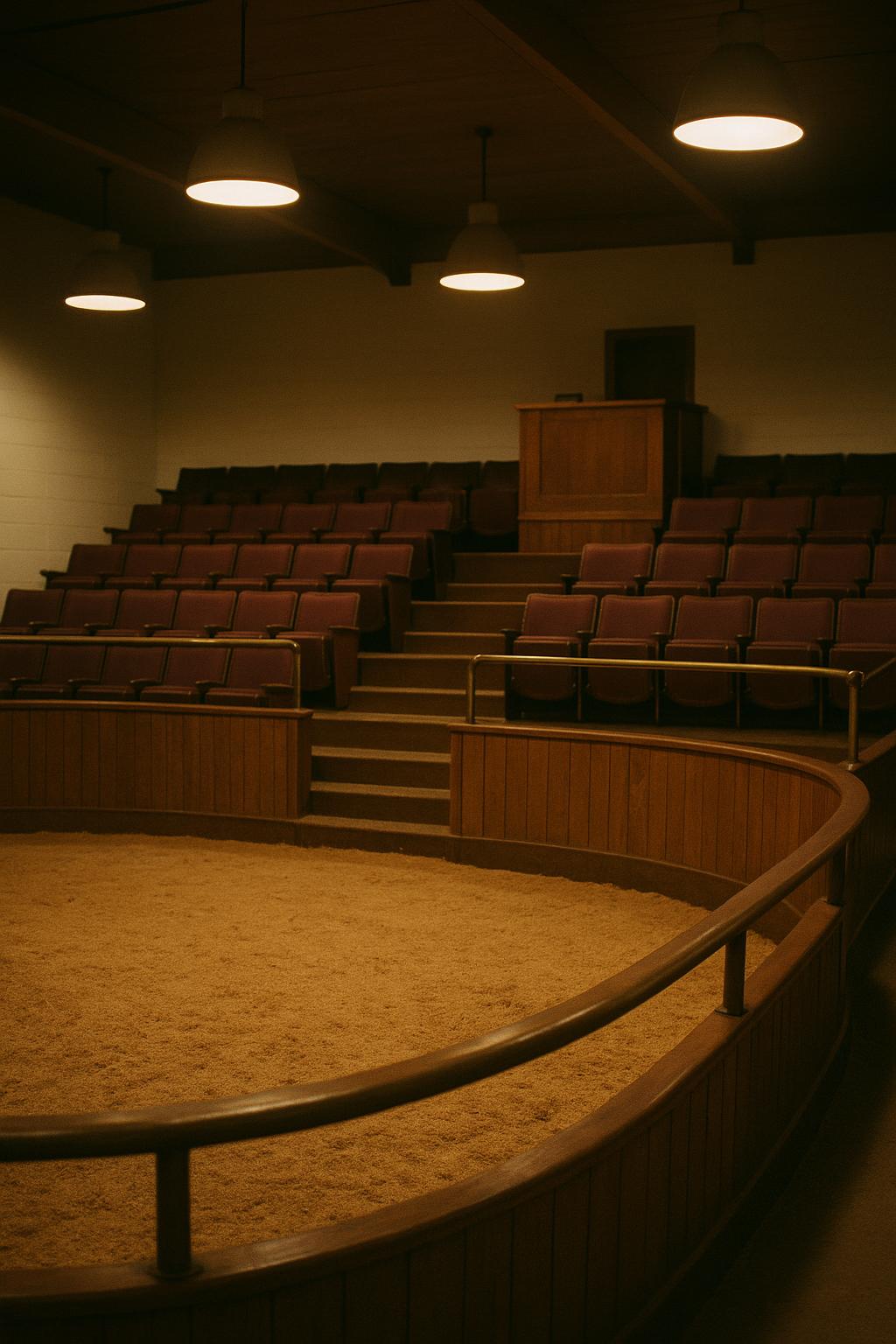
The auction is the path most people picture: the sales pavilion, the bid-spotters, a yearling walking the ring. Public sales — Keeneland’s September yearling sale is the largest Thoroughbred auction; if your calendar lists the Lexington Selected Yearling Sale, read that guide first — it is a separate Standardbred event — compare yearling vs two-year-old purchase timing, with two-year-old and mixed sales running through the year — are where a great deal of the sport’s bloodstock changes hands. You can buy a weanling, a yearling, or a two-year-old in training, or a broodmare, at prices from a few thousand dollars to well into seven figures.
Before you raise a paddle, do the two pieces of homework the sale company won’t do for you: learn how to read the sale catalog — the catalog is the advertisement, not the due diligence — and then how the sales repository and pre-purchase vet exam work, because the films tell you what the catalog page never will.
Two things make auctions their own discipline. The first is that you are usually buying youth, which means buying projection — the same premise behind pinhooking horses: a yearling has never raced, so you’re paying for conformation, pedigree, and a vet’s read of the radiographs on file, not for results. The second is the room itself. Auctions are engineered to create urgency, and urgency is the enemy of a budget.
💡 A quick illustration. Take a first-time buyer who walks into a yearling sale with a firm $40,000 ceiling and a colt they love. Bidding sails past $40,000 in a few seconds, and in the moment — lights, pace, the spotter pointing — $45,000 feels like nothing. The disciplined version of this buyer has already told their agent the walk-away number and lets the agent hold the line when the room won’t let them. The horse sells to someone else. That’s not a loss; that’s the plan working. The buyers who get hurt at auction are almost never the ones who missed a horse — they’re the ones who won one they couldn’t afford.
This is the clearest case for hiring a bloodstock agent. A good one inspects the horses on your shortlist, narrows it to the ones worth your money, and does the actual bidding so the adrenaline is theirs to manage, not yours.
What a bloodstock agent does — and how they’re paid
A bloodstock agent is a professional buyer. They build the shortlist, evaluate conformation and pedigree, review the repository x-rays, and bid for you. The standard fee is a commission — commonly around 5% of the purchase price — and the thing to pin down before you engage one is whether they take a fee from anyone else on the same deal. An agent paid by both sides, or one quietly selling you their own consignment, has a conflict you need disclosed. Ask the question directly; a straight answer is itself a useful signal.
Path 4 — Partnership, syndicate, or fractional share
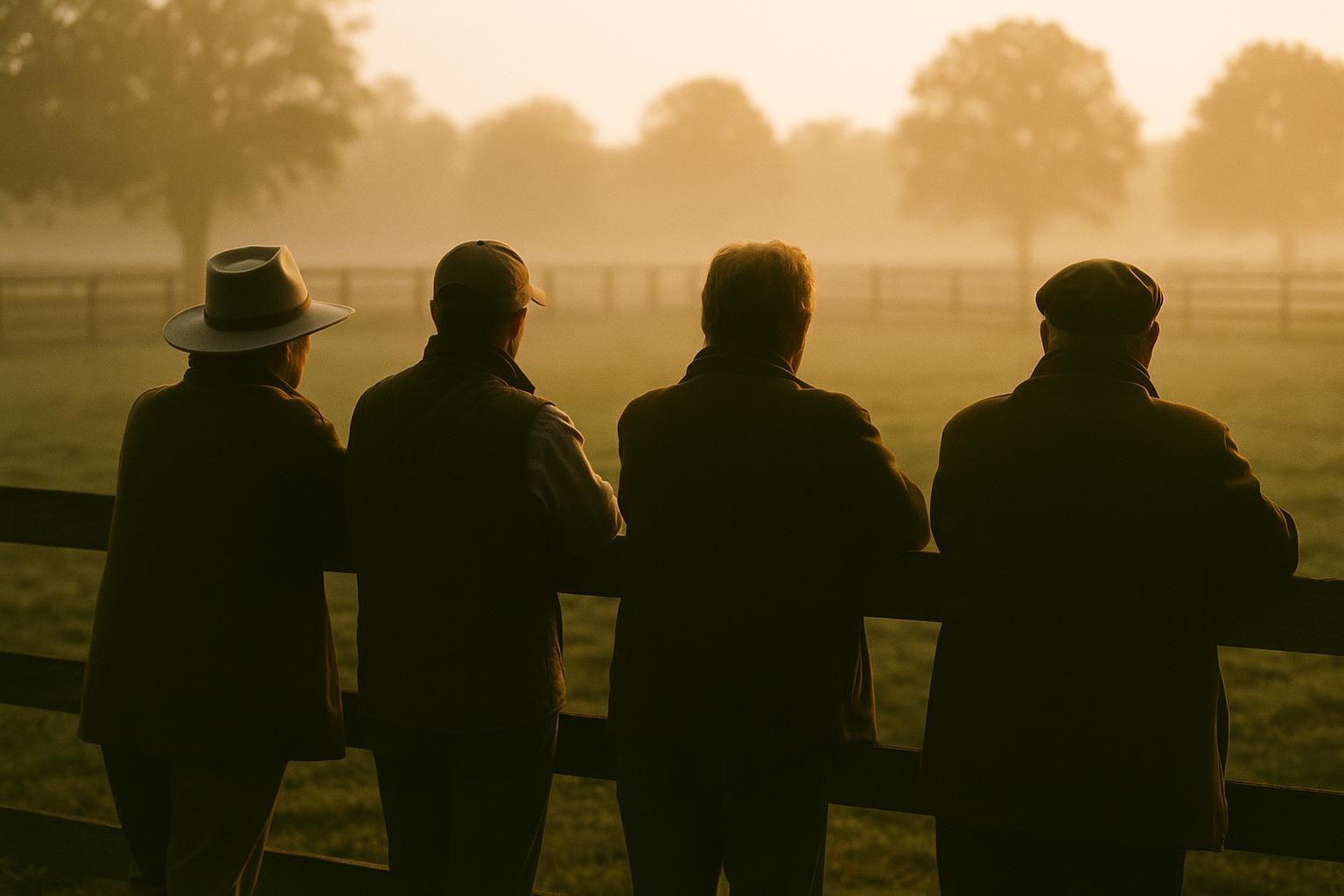
The fourth path is buying a piece instead of the whole horse, and it deserves to be treated as a full option, not a consolation prize. It splits into three rough tiers. A traditional partnership is a small group — say two to ten named owners — who jointly buy and run a horse and share real decisions. A syndicate is larger, usually operator-managed, where you own a share and the manager makes the operational calls — see how to vet the syndicate manager before you commit. A fractional or micro-share platform sells very small slices — sometimes for the price of a nice dinner — to many owners, with the platform handling everything.
The appeal is honest and real: lower cost, shared risk, none of the solo decision-making burden, and — at the micro-share end — a genuine taste of ownership for a few hundred dollars — see affordable racehorse ownership reality checks. The trade-offs are just as real, and they get steeper as the share gets smaller. Control shrinks toward zero. Exit liquidity is the weakest of any path here — you can usually buy in far more easily than you can sell out. And the costs and rules that matter most live in the prospectus, which is written to make the entry feel effortless.
💡 A quick illustration. Picture a prospective investor reading a glossy syndicate prospectus. The pedigree is described in glowing language and the photography is sharp, but the document is specific about the exciting parts and vague about the boring ones — how much of the buy-in actually buys horse versus fees and reserves, what happens if the operating reserve runs dry, who decides when to sell or retire or change trainers. The red flag isn’t any single clause; it’s the pattern. This investor passes. Months later a plainer document — explicit about fees, monthly costs, reserves, decision authority, and exit terms — earns the check instead. Clarity over flash, every time.
This path is also where independence matters most as a reader, because it’s the path with the most marketing pointed at it. We’re not against fractional ownership — for the right person it’s the smartest entry in the sport. We’re against buying it without reading what you signed. Which questions to demand answers to, we cover next, and in depth separately.
Which path fits your situation
| If this describes you… | Start with… |
|---|---|
| You want a real runner fast and you’ll learn by doing | Claiming — the quickest route to owning a horse that’s actually entered to race |
| You want total control and have help sourcing the right horse | Private purchase — negotiate directly, vet thoroughly, set your own value |
| You want young stock with upside and can absorb the wait | Public auction, with a bloodstock agent holding your walk-away number |
| You want the experience with lower cost and no solo decisions | A partnership, syndicate, or fractional share — sized to how much control you’re willing to give up |
| You’re mainly hoping to make money | Pause — read our honest take on the returns before you buy anything |
| You can’t comfortably lose the buy-in plus a year of costs | Wait — ownership should come from money you can afford to enjoy, not money you need |
The path is a function of your appetite for control and risk, not just your bank balance. Read this as “if this is you, start here.”
Whatever the row, the order is the same: license and registration first, trainer second, horse third. People who reverse that order are the ones who end up with a horse they can’t legally run and a stall bill they didn’t plan for.
What it actually costs after you buy
The purchase is the smallest number in racehorse ownership. Training runs roughly $90–$150 a day before vet, farrier, transport, insurance, and race-day fees, and a single horse in active training commonly costs $40,000–$60,000 or more a year to keep. The sticker price gets you in; the monthly bills are what ownership actually feels like.
We’re keeping this brief on purpose, because we’ve already done the full line-by-line version. If you want the honest math — every recurring cost, what the operators compress into one tidy “monthly” figure, and the revenue side told straight — read our complete breakdown of what a racehorse actually costs before you commit to a path. Budget for the year, not the ticket in — see what a thoroughbred costs per month.
Is buying a racehorse worth it?
For most owners, the financial answer is no — and that’s not a reason to skip it, just a reason to be clear-eyed. The people who are happy in this sport almost all went in valuing what ownership actually buys: the mornings at the barn, your name in the program, a seat in a small and demanding world. The ones who get hurt are the ones who were sold an investment.
We answered the money-versus-meaning question in full for the share-buying case in is it worth buying shares in a racehorse; the logic carries across all four paths. Buy the experience you can afford. Be skeptical of anyone who pitches it the other way.
Frequently asked questions

How do I buy a racehorse as a beginner?
Start with the paperwork, not the horse. Get licensed as an owner through your state racing commission (you’ll likely need fingerprints and a fee), plan for HISA registration, and hire a trainer — a good trainer will help you find the right horse. Then pick a path: claiming is the fastest way to own a runner, while a partnership or fractional share is the lowest-cost entry. Set your budget for the first full year, not just the purchase.
How much does it cost to buy a racehorse?
It depends on the path. A claiming horse typically runs $10,000–$50,000; private sales and public auctions range from a few thousand dollars to seven figures; a fractional micro-share can start in the low hundreds. But the purchase is only the entry fee — keeping one horse in training commonly costs $40,000–$60,000 a year. We break the full cost down here.
Do I need a license to own a racehorse?
Yes. Every U.S. racing jurisdiction requires an owner’s license from its racing commission — typically an application, a fee, and often fingerprints, renewed annually. Most owners also register with HISA, and one owner is named the horse’s Designated Owner. Owners with less than a 5% interest in a horse are generally exempt from HISA registration.
What does a bloodstock agent do?
A bloodstock agent is a professional buyer who evaluates conformation and pedigree, reviews sale x-rays, builds your shortlist, and bids on your behalf — most valuable at auction. They typically charge around 5% of the purchase price. Before hiring one, confirm whether they’re paid by anyone else on the same deal, so you know about any conflict of interest.
What’s the cheapest way to buy a racehorse?
A fractional or micro-share is the lowest-cost entry — some platforms start in the low hundreds of dollars, with ongoing costs folded into the share. You get a genuine, if tiny, stake and the experience of ownership without a five-figure check. The trade-off is control and exit: micro-share owners have little say and the weakest options for selling out.
What to do next
Buying a racehorse isn’t hard to start; it’s hard to start well. Decide how much control you want, line up the license and the trainer before the horse, and choose the path that matches your appetite rather than the one with the best marketing. If a seasonal lease is on the table instead of a purchase or syndicate share, read our guide to racehorse lease interest before you sign — the economics differ from every path in the table above. If you’re still mapping the basics, our Start Here guide is the place to begin, and our cost breakdown is the next thing to read before you commit a dollar.
— Race Horse Ownership 101
About the Author

Calvin Johnson is a Thoroughbred racehorse owner, day trader, and independent racing analyst with more than a decade of firsthand ownership experience. He has participated in nearly every common structure in horse racing — fractional platform shares, traditional syndicates, LLC partnerships, claiming ventures, and outright ownership — across more than two dozen horses. Calvin writes about racehorse ownership the same way he approaches markets: by studying risk, incentives, fees, and whether the people controlling the deal are aligned with the investors behind it.
- Calvin Johnsonhttps://racehorseownership101.com/author/calvin-johnson/

- Calvin Johnsonhttps://racehorseownership101.com/author/calvin-johnson/

- Calvin Johnsonhttps://racehorseownership101.com/author/calvin-johnson/

- Calvin Johnsonhttps://racehorseownership101.com/author/calvin-johnson/